What would it actually take to build 1.5 million homes in five years?
Terry Fuller, who sits on our board, has spent 30 years in housing, property and regeneration. He’s set out a series of exam questions to provoke discussion about where construction is heading, and whether that 1.5m goal is within reach.

Economics Exam question. Answer all 7 questions and please show your workings.
Q1. If Matthew must build 1.5m new homes in a 5-year period, how many homes per year does he have to achieve?
Labour’s target of 300,000 homes a year is a figure England hasn’t reached in over 30 years of records. Back in 2007/8, a larger workforce and more support behind affordable housing delivered a peak of 223,530 net new homes (MHCLG, Live Table 120).

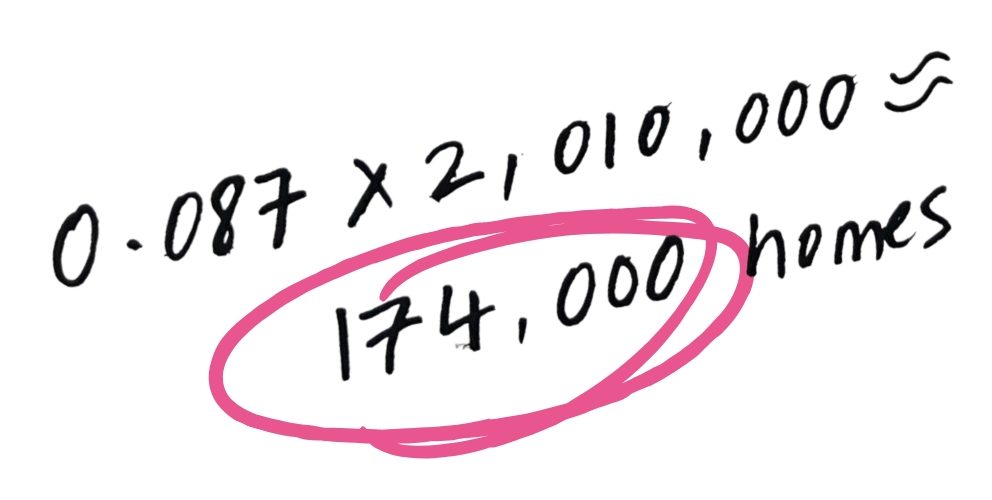
Q2. If the total operatives in housebuilding were 2.58m people in 2007/8 when 223,530 new homes were built, and there are now in 2026 only 2.01m people (excluding Steve and Rachel) in the workforce, how many homes will be built?
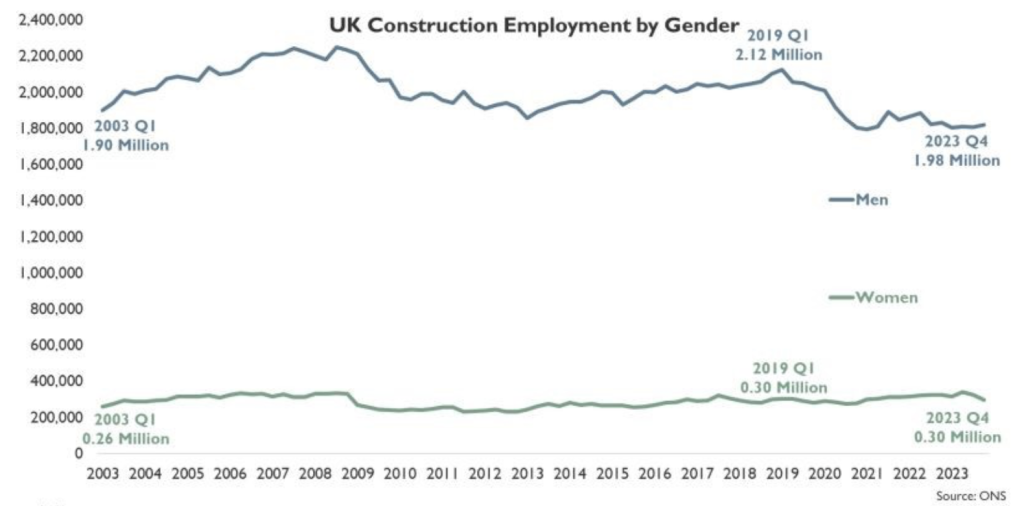
Today the workforce is around 2 million (ONS), so at the same rate, our workforce would struggle to manage 174,000 homes if using the same methodologies . Little more than half the target.
We can’t recruit our way to 300,000 homes fast enough. But we can change how we build, so every pair of hands goes further. That’s where industrialisation and Modern Methods of Construction can make a difference: adoption of digital technology, standardisation of processes and systems, and more productive manufacturing-based approaches to build homes could mean fewer hands onsite, faster delivery, and consistent quality.
Q3. Jonathan is trying to work out the productivity and has been tasked with the following: in 2007/8 what was the output of homes per operatives?
Using the same formula, what will the productivity output be in 2026? Compare and contrast as to why there is a difference and the factors in play.
We’re building homes with a smaller workforce than we had almost 20 years ago. Rather than a nod to efficiency, the reality is that we’re building fewer homes with fewer workers.
To build 300,000 homes a year with today’s workforce, our own maths shows every worker would need to deliver around two-thirds more than they did in 2007/8. And that gap is only getting harder to close as experienced trades are retiring, too few apprentices are coming through to replace them, and planning delays and rising material costs are pushing small builders under.
The way we are currently building is not going to close the gap – we need to embrace more efficient ways to build good quality homes. That’s exactly the gap industrialisation and Modern Methods of Construction have the potential to close.
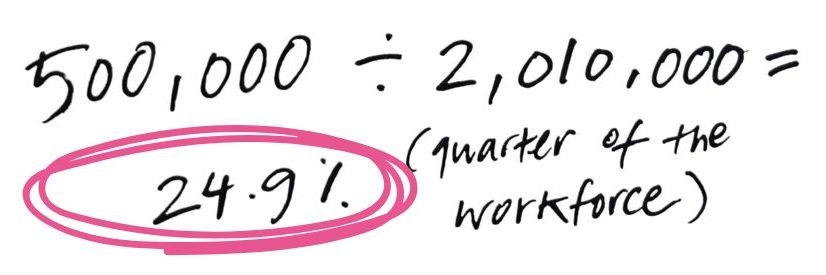
Q4. Since 2019 the number of people leaving the industry has accelerated. The spike in age is 50-64 years, and we are set to lose another 500,000 operatives in the next 10-15 years. What is that as a percentage of the current workforce?
Will it have any impact on the number of new homes built and refurbished? If it does have an impact in the number of new homes, what will that be and how can we address it? Why would Shabana be concerned?
The biggest group of workers in UK construction are aged 50 to 64. As they retire over the next 10 to 15 years, the industry stands to lose around a quarter of its entire workforce. That’s roughly 500,000 people.
Losing that many workers, without replacing them, could wipe out 45,000 to 50,000 homes’ worth of capacity every year, on top of a shortfall we already can’t meet.
What closes that gap?
Q5. 300,000 operatives were lost post 2019 to now, many of them 45 to 59 years of age. Why might that be?
Note, the higher loss of EU workforce were aged 25-39 years, so maybe not Brexit. You should consult Pat (McFadden, not Postman)
The pandemic? Off-payroll working rules?
Recruitment alone cannot get us the homes we need fast enough. We need to retain the people we have, support apprentices through to qualification, keep experienced workers invested through mentoring and development opportunities, and open the industry up to people who’ve never seen it as a career.
We also have to reduce how many pairs of hands each home takes to build in the first place. If we can’t grow the workforce fast enough, we must find solutions to make the capacity we have go further.
Q6. Lucy has just discovered that we are only attracting 31,000 apprentice’s pa yet the drop-out rate is 40%, and Question 4 highlighted a further loss; how many operatives might there be in 10 years’ time?
What does this mean for: Build costs, Quality, Number of homes likely to be produced in 2036, Impact on Gen Z ambition to have a home, Getting a plumber to fix that bath tap for the Boomer Generation and having to raise a second mortgage to pay for the work?
Apprenticeship starts across England actually rose 11.9% in the first half of 2025/26, and 94% of small firms say they want to train apprentices. So when construction completion rates fell to around 41% last year, down from 65%, it shows us that the appetite for apprenticeships is there, the trouble is keeping them.
Construction sees more company insolvencies than any other UK sector, and when the small firms training apprentices fold, or projects stall, that training ends mid-course.
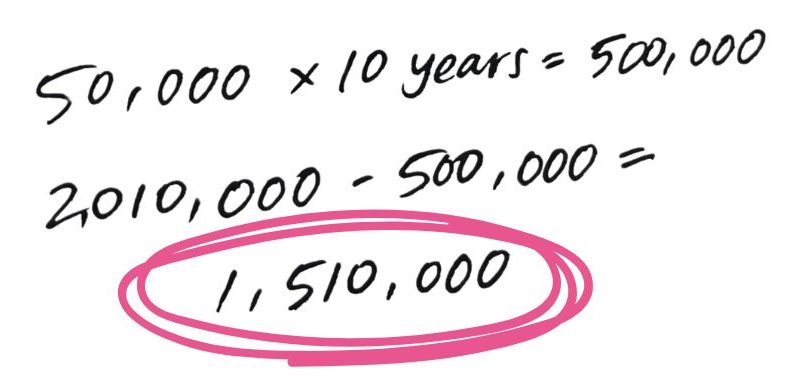
We’re not training enough new workers to replace the ones we’re losing. If nothing changes, the construction workforce is on track to fall by a quarter within 10 to 15 years, from around 2 million today to roughly 1.5 million.
The consequences are repair bills climbing and waits lengthening, build costs rising, quality slipping, fewer homes getting built, and home ownership that drifts further out of reach.
This isn’t inevitable, but it’s what happens if we keep building the same way with fewer people. By making homes, or large parts of them, offsite, a smaller workforce can build more, faster, and to a consistent standard, in future ready roles that gives the next generation a real chance to train, qualify and stay.
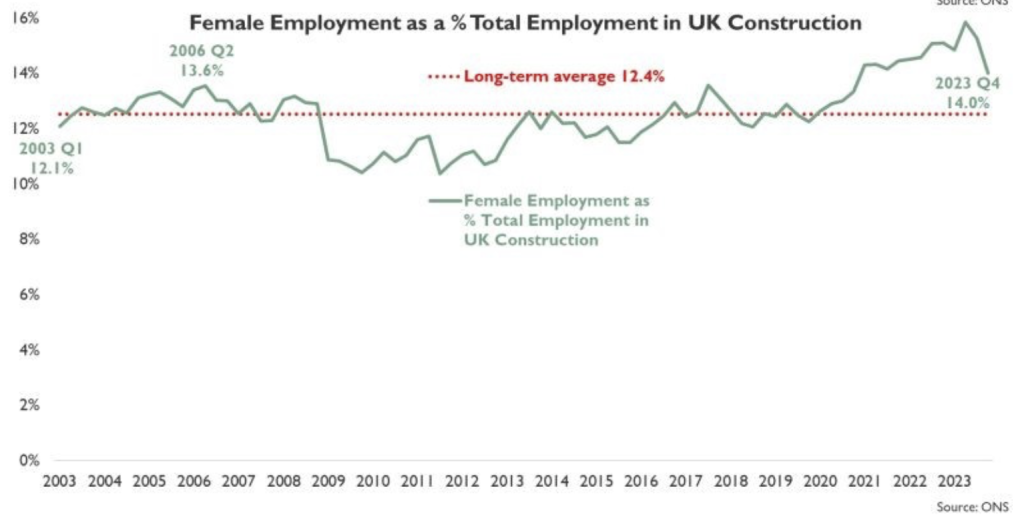
Q7. Bridget has been told (on table 3) that the number and percentage of women in the industry is small compared to the population as a whole. Which other industry might be similar and why?
Moreover, what can we do to address the imbalance?